A brief history of Kiribati- by Assisi Cook Collins
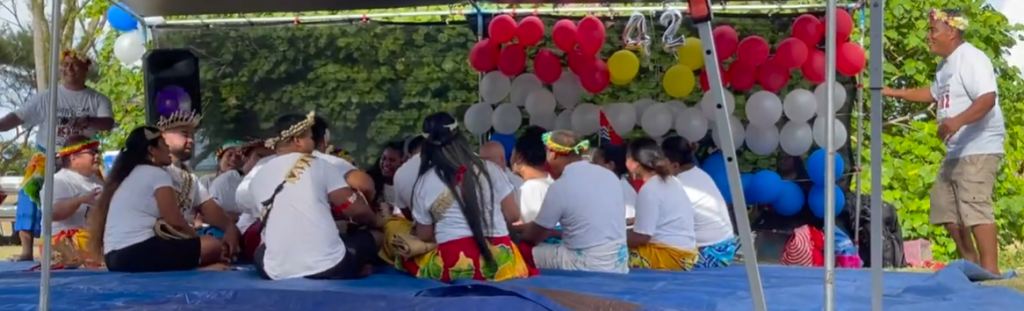
These 12 linocuts tell the story to accompany the song – Requiem for the Sixth Extinction-and this is a wonderful video of a choir from Kiribati (thank you to Belle’s Travel VLogs)
https://youtu.be/rBW5RzczFBw?si=spc-bcf7LBs3aHCx
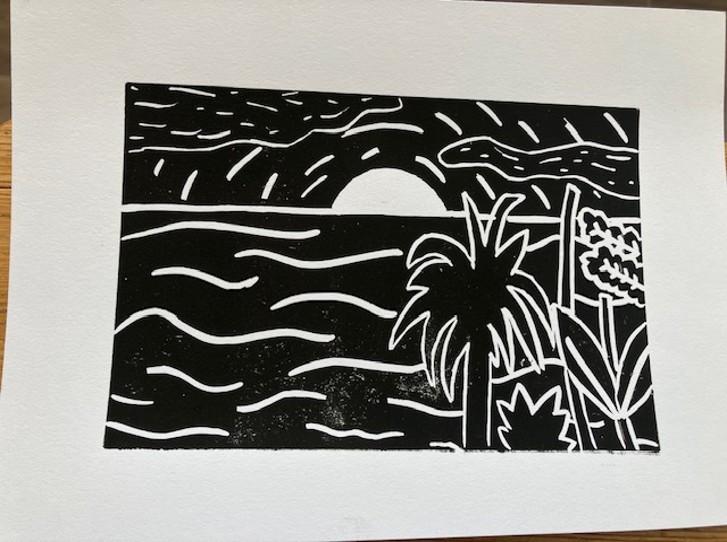
Kiribati is the first country to greet the New Year, being on the International Date Line
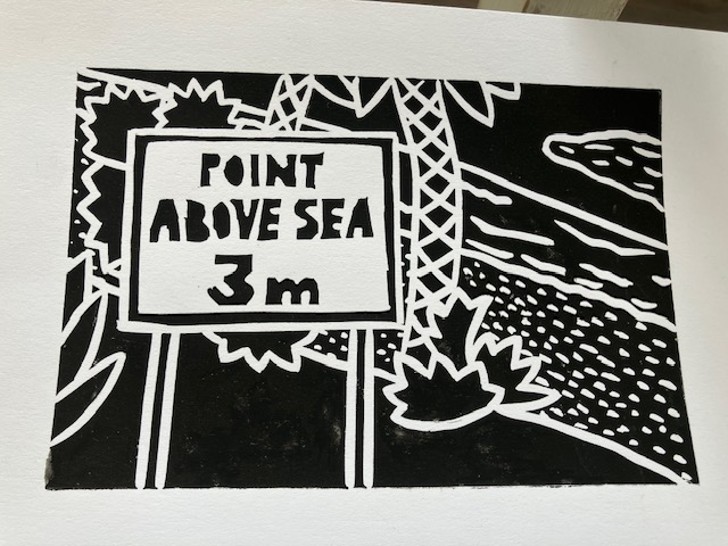
It is very low lying and so is vulnerable to sea level rise
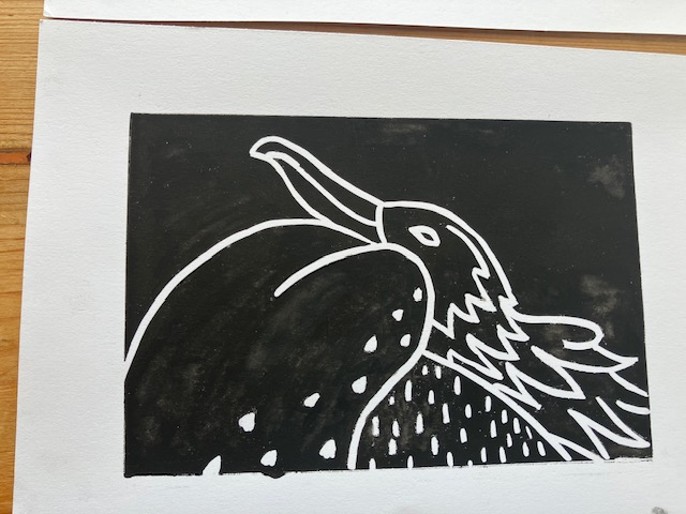
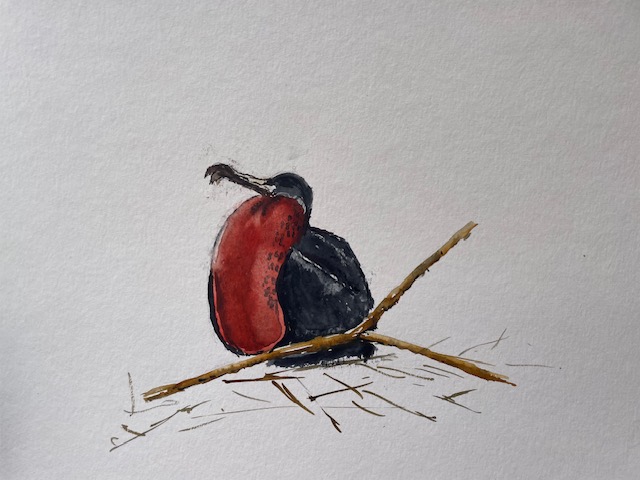
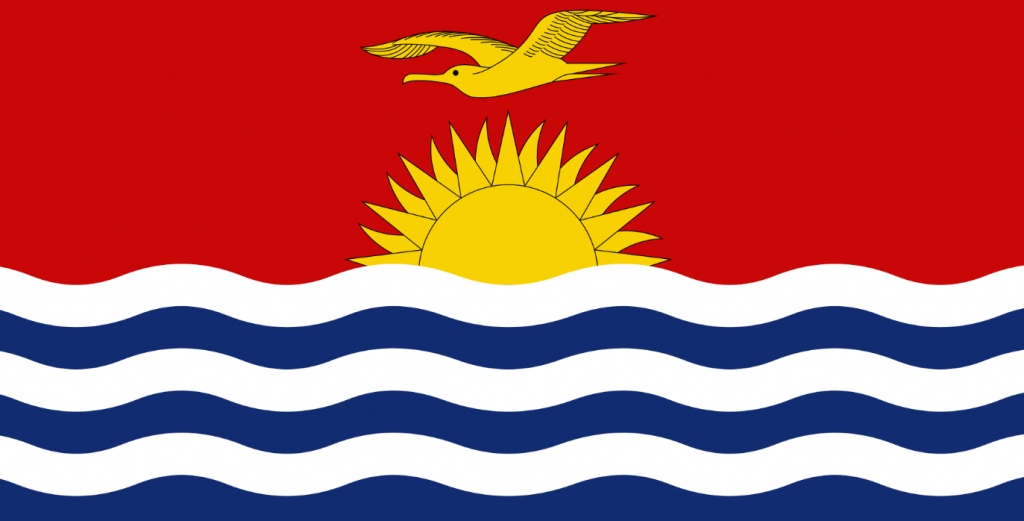
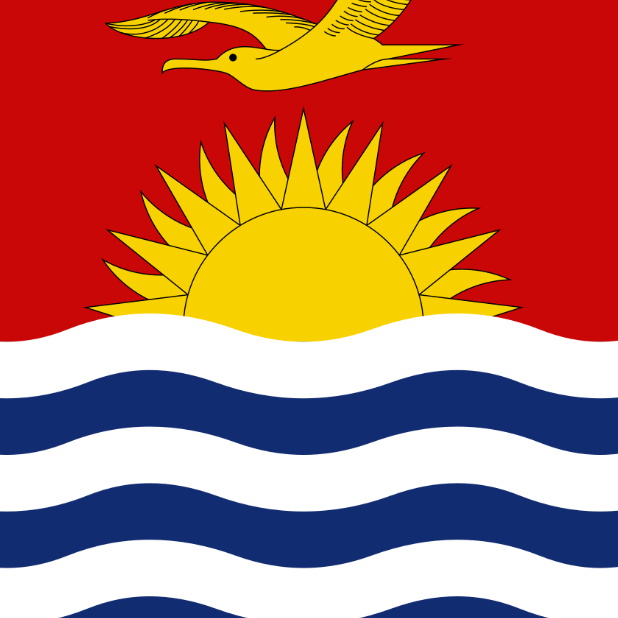
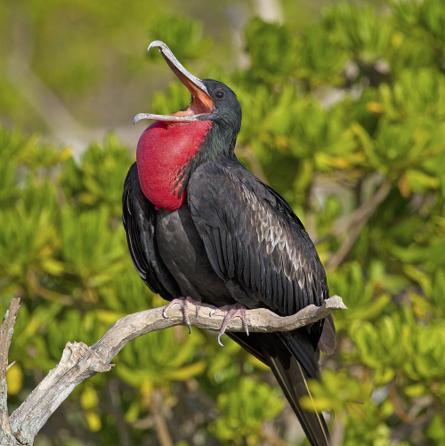
Its national bird is the frigate bird. It is in the flag
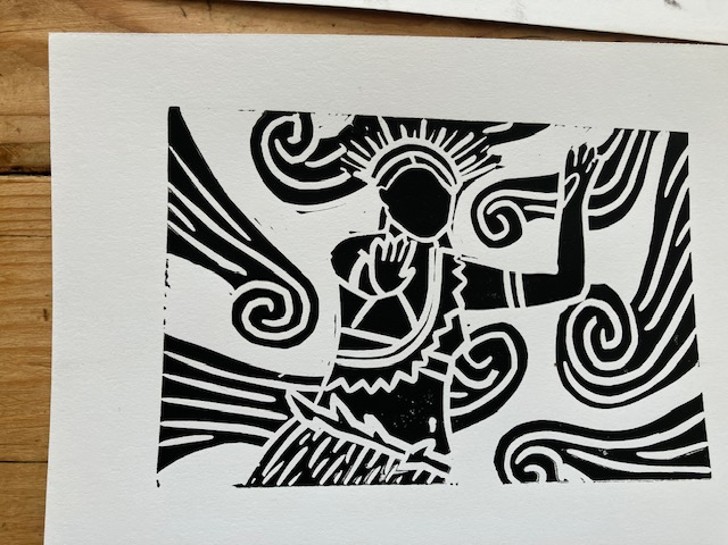
It has a long and rich Polynesian tradition
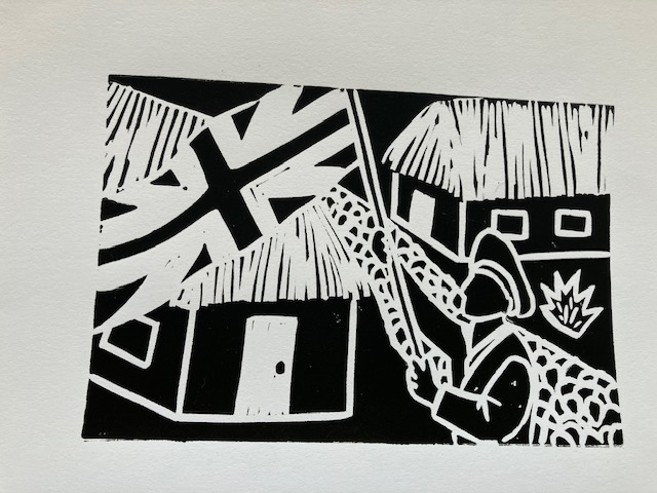
It is a former British colony. It gained its independence in 1979
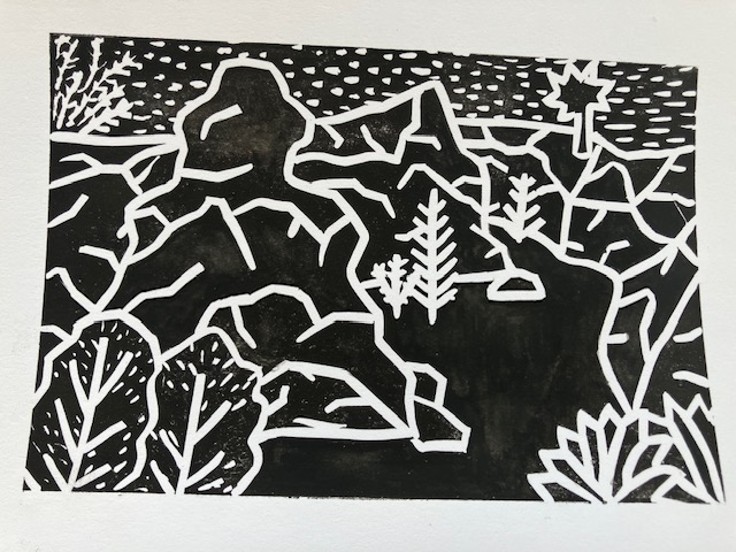
Banaba was exploited and depopulated for its phosphate by Britain, New Zealand and Australia between 1900 and 1980
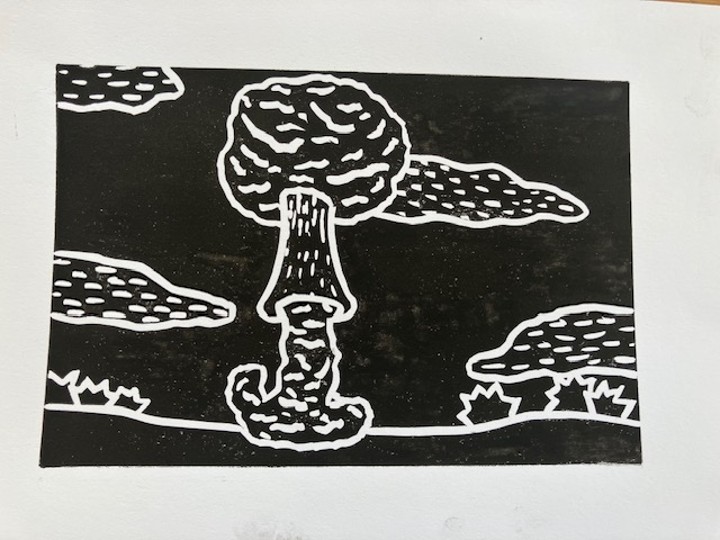
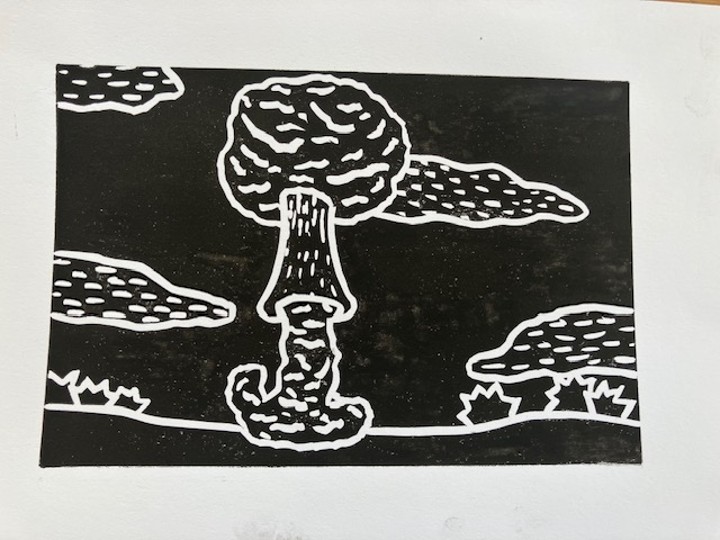
Britain used Kiritimati (pr. Kirisimas) as a base for hydrogen bomb tests in the 1950s
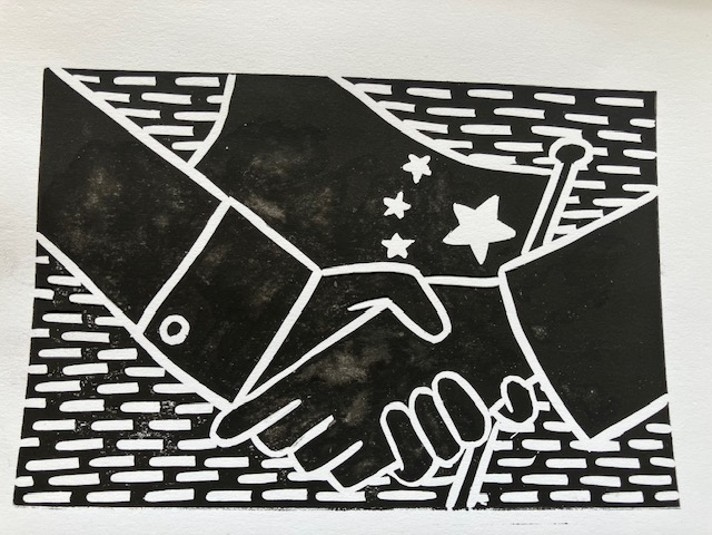
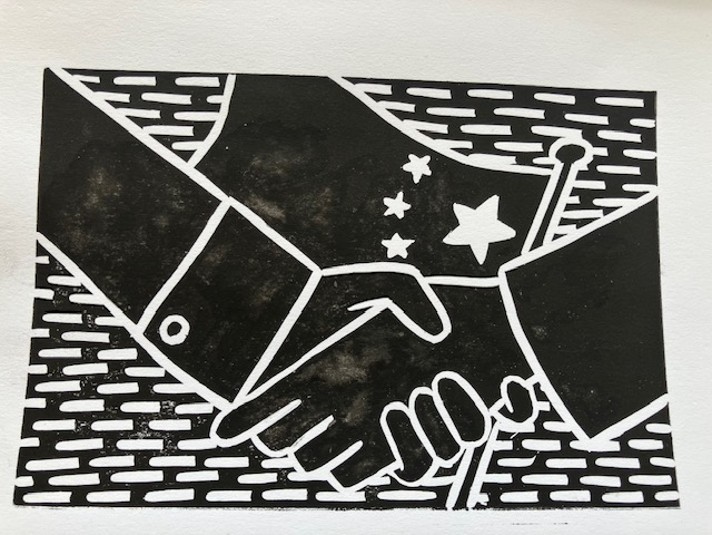
The Kiribati government has reached out to China for support as it seeks to counter sea level rise
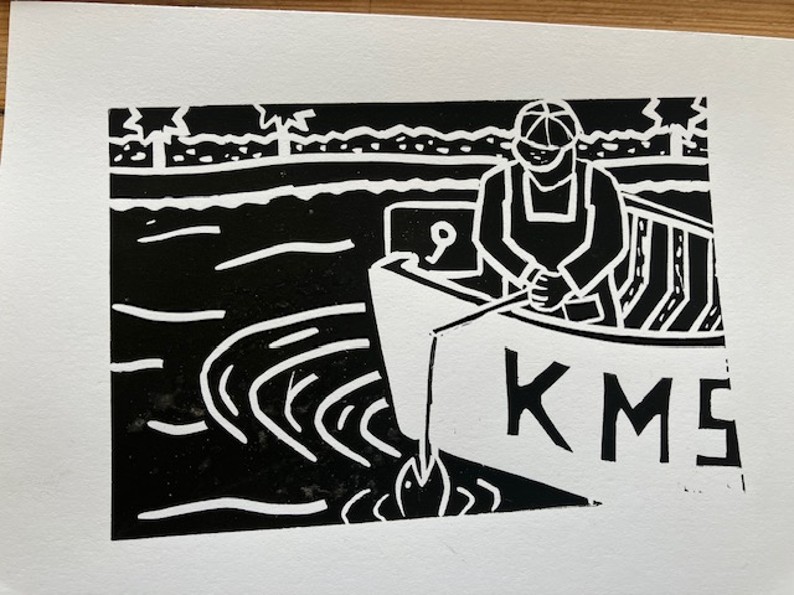
In the meantime, fishing tourism is a source of income for a poor nation
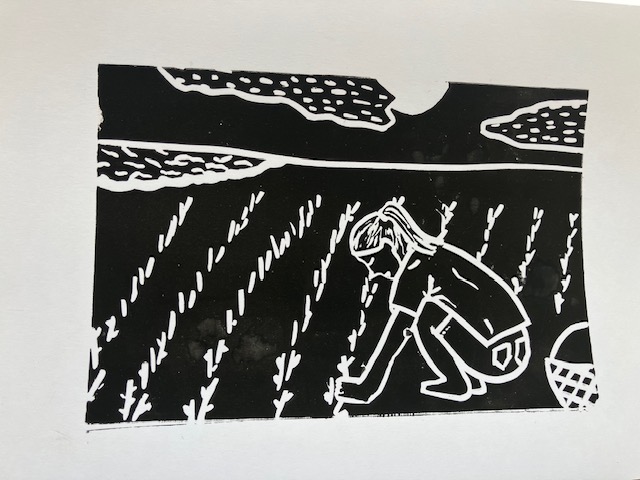
It is hoped that planting mangroves will slow the impact of sea level rise
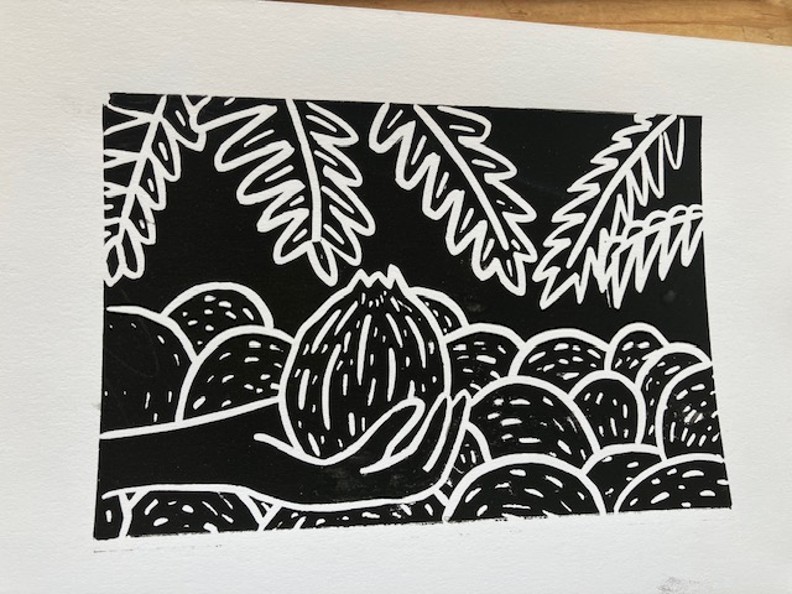
Export of coconuts is a source of income
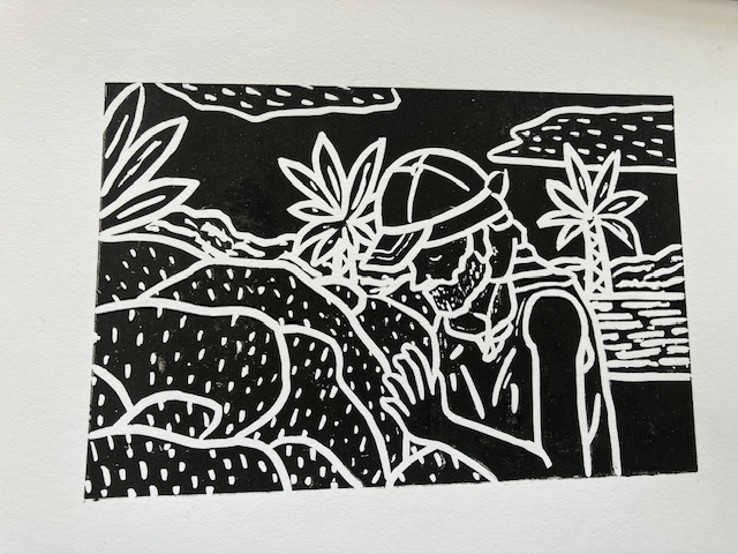
As it stands, while rebuilding walls holds the sea back for now, Kiribati seems destined to cease to exist as a nation
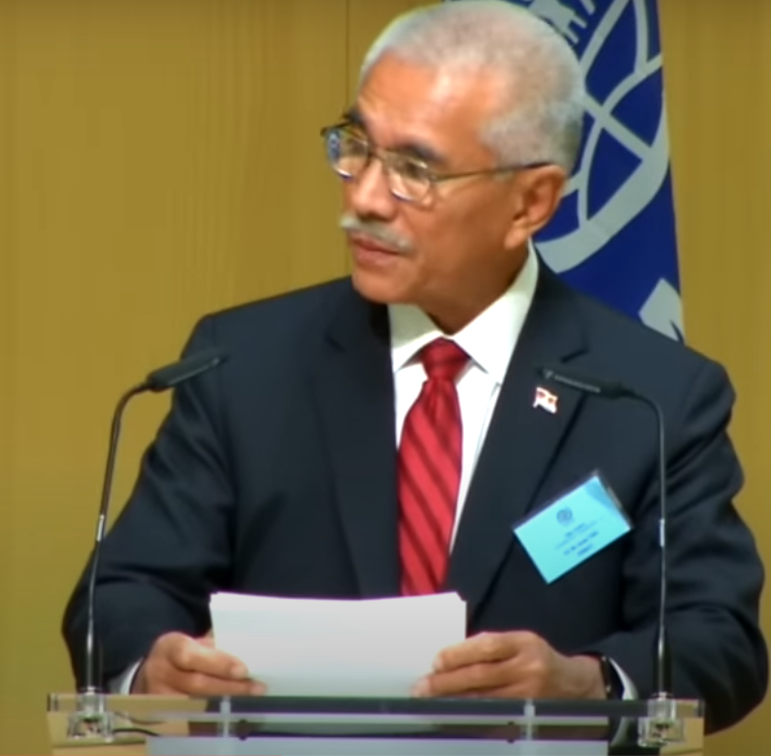
Two pictures below- recent presidents have tried differing strategies to cope with sea level rise- land has been purchased in Fiji for resettlement-Kiribati is working with Australia and New Zealand to plan for migration- Kiribati works with China to slow the halt of the loss of habitable land.
Kiribati’s Story
Requiem for the Sixth Extinction/Kiribati
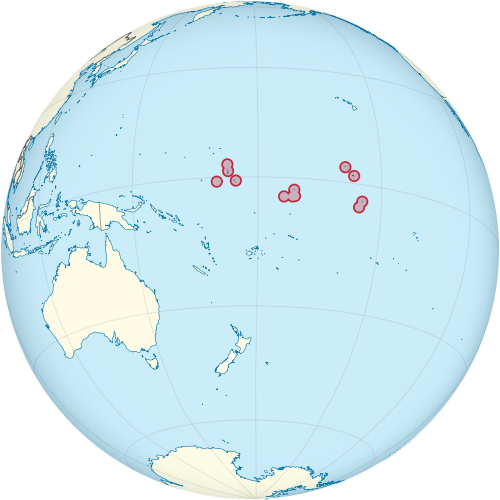
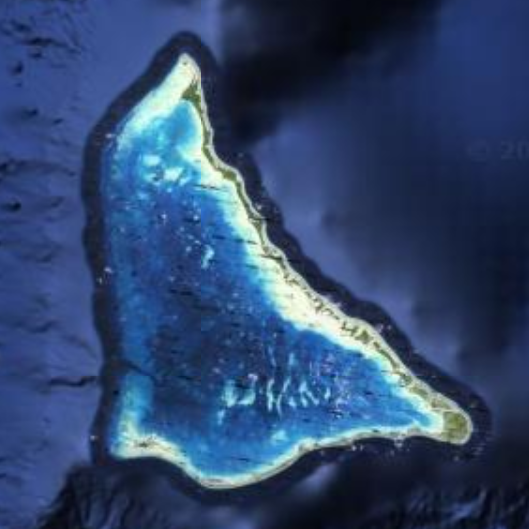
Kiribati is an island country in the central Pacific Ocean, made up of around 40 islands and atolls. Only 20 of these are inhabited. Although the land area is small, the islands are scattered widely. Most of the islands are very low-lying atolls (ring-shaped coral reefs).
It is the only country in the world to cross the international date line and both hemispheres. It is the first to greet each new day.
The land was first inhabited by the Micronesian people, who came 4 -5000 years ago.
Europeans started visiting the islands in the 17th-18th century.It became a British protectorate in 1892.
In the Second World War the Japanese and Americans fought over the islands. After the war, the British tested hydrogen bombs here.
In 1979 the islands held a referendum and voted to gain independence from Great Britain.
It is likely to be the first complete nation state to become completely uninhabitable due to sea level rise caused by climate change. This will probably happen by 2100.
As it has had little support from its former ruler in recent years, it is turning towards China for help, whose price has been to recognise its claim to Taiwan.
Pictured-Presidents Anote Tong and Teneti Maamau

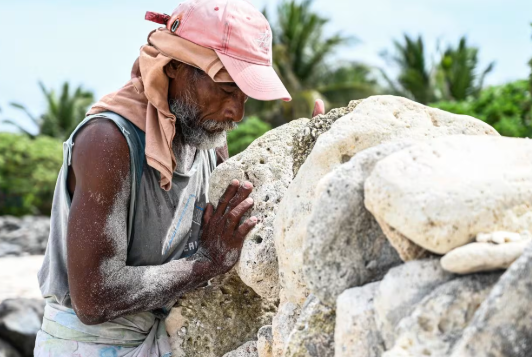
The myth of Sisyphus- for real
This picture seems to sum up the struggle in Kiribati- rebuild the wall against the tide, then rebuild, then rebuild, then rebuild, knowing that in the end there will be a time when the wall cannot be rebuilt.
The Sixth Mass Extinction
Scientists have identified five major extinction events in the Earth’s history.
Many scientists have concluded that we are going through the sixth extinction event now:
The Ordovician Extinction-450mya-cause-global cooling. A greenhouse became an ice house.
The Devonian Extinction-370 mya-cause-oceanic volcanic activity. Anoxia in the ocean killed marine life.
The Permian Extinction-250 mya- basalt volcanic activity in the oceans caused euxinia.
The Triassic Jurassic Extinction-200mya-cause-volcanic activity in the Atlantic Ocean caused acidification, and sent huge amounts of carbon into the atmosphere, causing global warming.
The Paleogenic Extinction-70 mya-cause-an asteroid 10km across hit the Yucatan Peninsula- ¾ of life was extinguished, due to the subsequent global winter which stopped photosynthesis in plants and plankton.
Is this The Antropocene Extinction?
–ongoing-
cause-environmental degradation and the burning of fossil fuels
– result-unknown as it is unclear what will happen as tipping points are reached.
These include: collapse of the large ice sheets in Greenland, widespread thawing of permafrost, death of coral reefs, and the collapse of the North Atlantic Drift.
Unlike other changes to the climate such as hotter heatwaves and heavier rainfall, some of these do not slowly shift in line with greenhouse gas emissions but can instead flip from one state to an entirely different one. When a climatic system tips, sometimes with a sudden shock, it may permanently alter the way the planetary system works.
These four songs are responses to my education about Kiribati
Banaba
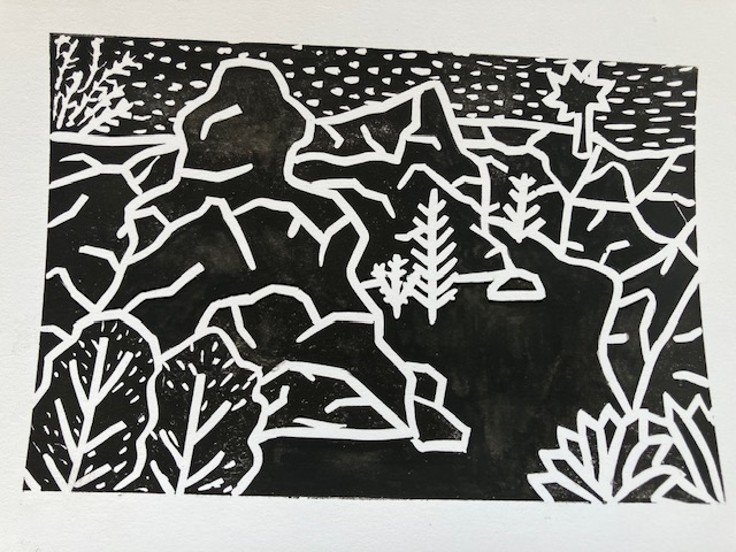
So my grandfather is Banaban and his father and his mother were all Banaban
I was lucky enough in 1997 to make a trip to Banaba. It’s a very difficult place to get to, in contrast to the hundreds of ships that used to pass through between 1900 and 1980 when phosphate mining was happening.
It was like looking at a post-apocalyptic zone, so basically the landscape of Banaba is this field of really stark, grey pinnacles, kind of poking out of the earth.
What happened was the mining removed the soil from in between the pinnacles. That was the valuable, phosphate fertiliser and that was removed and shipped off to Australia and New Zealand to be converted into super phosphate for agriculture, for farming.
So the landscape looks like people have taken bites out of it.
That’s what really hit me about it was the very materiality of the impacts of phosphate mining on a landscape, a landscape that for Banabans had been a home, had been a source of livelihood. a source of culture, a source of inspiration for a whole range of cultural practices, dances, songs, chants and a source of foods obviously.It took probably millions of years for that island to grow geologically. It took thousands of years for Banabans to figure out how to survive on that fairly dry, rock island in the middle of the Pacific and then once the phosphate mining company arrived it took just 80 years to destroy the landscape of Banaba.
Why were we given dominion?
We can read from books, learn from past mistakes
And change our ways, say, “Never again!”
We can think ahead, see through the mist,
Know this earth must be our friend.
Why are we better than animals?
We can look outside, stand in others’ shoes;
See cruelty, say, “Not in my name.”
We can change our nature, shape our path,
Know this earth is ours to mend.
Why can we trust in technology?
We can build machines to conquer space
When this planet’s done say, “This is the way.”
We can use our genius, fix a course
Know this earth is not the end.
Kiribati
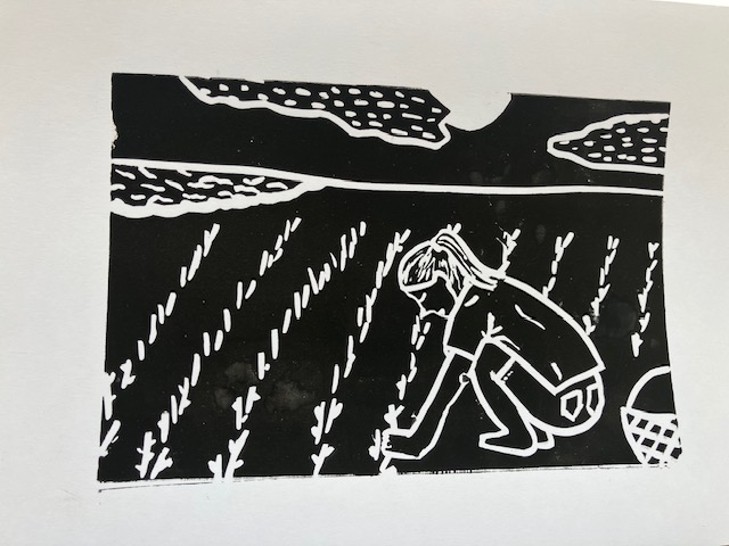
Low tide ; Kiribati (Kiribas)-Plant the mangroves- build the walls.
Low tide- Kiribati -roll the rock back up the hill.
Low tide- watch the frigate bird point the way before the storm.
One day we’ll follow her- we know it’s fate,
To leave our land but we will not return.
High tide Kiribati; -The angry sea will take us all.
High tide- Kiribati -remove the sea salt from the well.
High tide- watch the frigate bird point the way before the storm.
One day we’ll follow her- we know it’s fate,
To leave our land but we will not return.
Colony on Mars
Excellencies, ladies and gentlemen.
For low lying atoll island nations like my country, climate change is an issue of survival with the very real possibility of our nation disappearing under the ocean within the century. What I want to share with you is that even before that happens, we are already experiencing extreme high tides and more severe storms on an unprecedented magnitude. Damage to homes and severe inundation of the coastline and consequent damage to food crops and portable water are now becoming more frequent events.
Based on these experiences, migration in the context of my people’s future has therefore taken on a whole new meaning- a whole new dimension. Relocation must therefore be part of our strategy for adaption and for us, this involves the preparation of our people for such a possibility.
We have, with the assistance of our development partners, embarked on an intensive training program to upskill our people to internationally recognized qualifications. We continue to work with our more developed neighbours, in particular Australia and New Zealand, through temporary and permanent labour mobility schemes such as, the seasonal workers scheme and the more permanent New Zealand Pacific Access Category Migration Scheme and most recently the Northern Australia white paper for microstates pilot scheme. We believe that these programs offer mutual benefits for all parties involved, and may provide suitable models that could be replicated elsewhere and may well be worthy of further study and consideration by IOM.
Excellencies ladies and gentlemen. As governments and as leaders it is our duty, it is our moral obligation to ensure, that the future of our people, our children, our grandchildren and their children, is safe and secure.
CLOSE YOUR EYES
Close your eyes.
I’ll sing, you drift and dream and go to sleep.
May your dreams be happy dreams
And may you slumber deep.
I’ll lay beside you till you sleep.
Do not fear the monsters.
They do not exist at all.
I’ll protect you from the night
And as the darkness calls, I’ll lay beside you till you sleep.